Top disk cleanup utilities for slow computers
Introduction
A slow computer is one of the most common frustrations for students and small business owners alike. Over time, operating systems accumulate vast amounts of temporary files, system logs, cache data, and leftover fragments from uninstalled applications. These digital residues consume precious storage space and can hinder the performance of your hard drive or SSD, leading to longer boot times and sluggish application responsiveness.
Using disk cleanup utilities is an essential maintenance practice to regain system speed and optimize storage management. These tools scan your storage drives to identify unnecessary files that can be safely deleted without affecting your personal documents or critical system files. Implementing a regular cleaning routine helps prevent storage exhaustion and ensures that your device remains efficient for daily professional or academic tasks.
Why your computer becomes slow over time
As you use your computer, every website visited, every file downloaded, and every program executed leaves a digital footprint. Browsers store cache and cookies to load pages faster, but when these files grow too large, they can actually slow down the system. Similarly, Windows or macOS systems generate log files and installer temporary files that serve a purpose during an update or installation but are never used again once the process is complete.
When a storage drive nears its full capacity, the operating system struggles to manage "swap files" or virtual memory, which are used when your physical RAM is full. This lack of breathing room causes visible lagging and freezes. Regularly clearing these unnecessary files provides the system with the necessary overhead to operate smoothly.
Best built-in tools for disk maintenance

Before downloading third-party software, it is highly recommended to use the tools already integrated into your operating system. These are the safest options because they are designed by the developers of the OS to recognize exactly what is safe to delete.
Windows Disk Cleanup and Storage Sense Windows users have access to the classic Disk Cleanup utility, which allows you to select specific categories like Temporary Files, Recycle Bin, and Thumbnails. For a more modern approach, Windows 10 and 11 include Storage Sense. This feature can be configured to automatically delete temporary files and empty your Recycle Bin on a schedule, making it a "set it and forget it" solution for maintaining a clean drive.
macOS Storage Management Apple provides a streamlined way to manage space through the "About This Mac" section and the "Storage" management pane. This tool identifies large files, unused applications, and system data that can be cleared. It also offers optimized storage features that move older files to the cloud to save local disk space.
Effective third-party cleanup software options
When built-in tools are not enough, or when you need deeper scanning capabilities, third-party utilities can provide more granular control. These tools often include features like registry cleaning or duplicate file detection.
| Utility Type | Primary Benefit | Best For |
|---|---|---|
| Comprehensive Optimizers | Deep cleaning of system files and registry entries. | Users wanting a total system overhaul. |
| Duplicate File Finders | Locates identical files to reclaim space quickly. | Users with messy media or document libraries. |
| Uninstaller Tools | Ensures every trace of a program is removed. | Users who frequently install and remove software. |
When choosing a third-party tool, prioritize software that is well-established and transparent about what it deletes. Be cautious of "system accelerators" that promise miraculous speed increases through aggressive registry cleaning, as excessive registry modification can sometimes lead to system instability.
Essential steps for a safe cleaning process
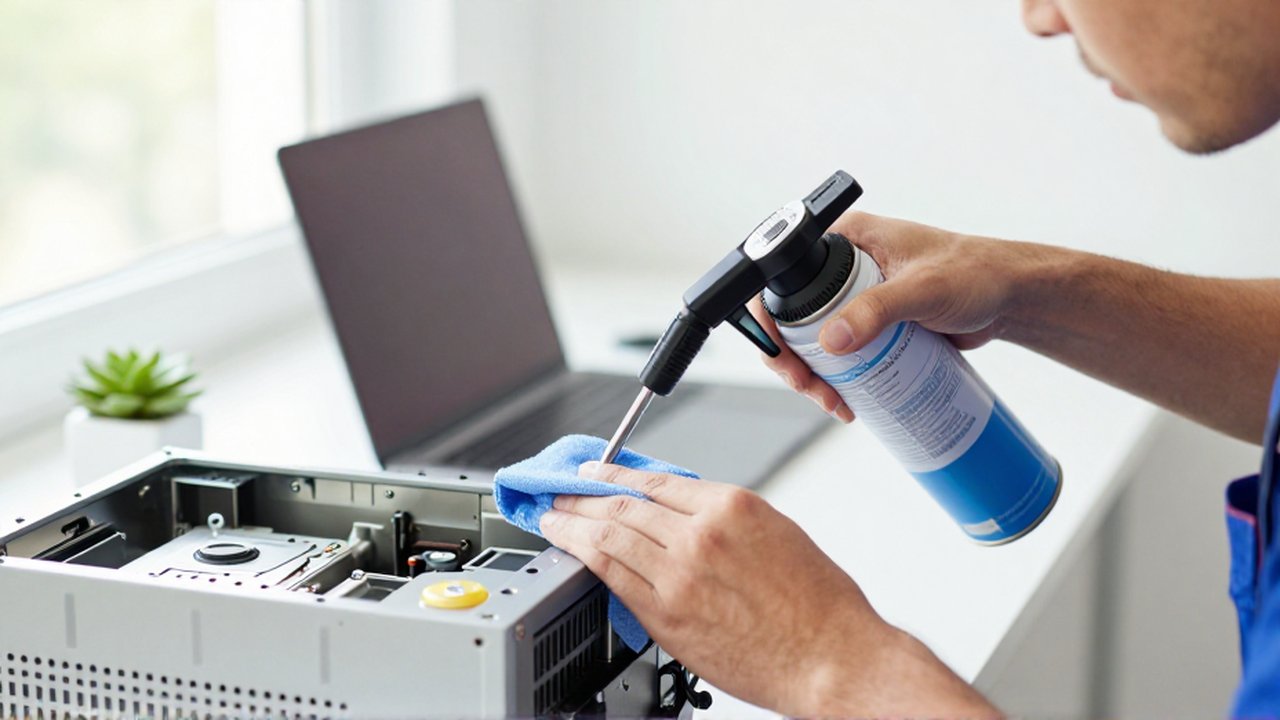
To ensure that your cleaning process improves performance without risking data loss, follow these logical steps:
- Backup your data: Before running any deep cleaning utility, especially third-party ones, ensure your important documents, photos, and business files are backed up to an external drive or cloud service.
- Run built-in tools first: Utilize Disk Cleanup (Windows) or Storage Management (macOS) to handle the most obvious system junk.
- Review deletion lists carefully: Never click "Select All" without scanning the list. Ensure you are not accidentally deleting "Downloads" folders or browser bookmarks that you might still need.
- Uninstall unused software: Instead of just deleting files, use the official Uninstaller process to remove applications you no longer use. This prevents leftover configuration files from cluttering the registry.
- Schedule regular maintenance: Rather than waiting for the computer to become unusable, set a monthly reminder to run these utilities.
Common mistakes to avoid during maintenance
One of the most frequent mistakes is deleting files from the "System32" folder or other critical OS directories in an attempt to save space. Manual deletion of folders you do not recognize can render your computer unbootable. Always rely on established utilities rather than manual file hunting.
Another error is over-reliance on "cleaning" software to fix hardware issues. If your computer is slow because the hard drive is physically failing or the RAM is insufficient for your software, a disk cleaner will not provide a permanent solution. Cleaning is a software optimization, not a hardware upgrade.
Frequently asked questions
Will cleaning my disk delete my personal photos and documents? Standard cleanup utilities are designed to target "temporary" files, such as cache and system logs. However, you should always be careful when selecting categories. If a tool asks to clear your "Downloads" folder, ensure you have moved your important files elsewhere first.
Does cleaning my disk make my computer faster immediately? It can. By freeing up space and reducing the amount of data the system has to index, you reduce the workload on your drive. This is especially noticeable on older computers with traditional Hard Disk Drives (HDDs) rather than modern Solid State Drives (SSDs).
Is it safe to use registry cleaners? While they can remove broken links to uninstalled software, they carry a risk. Deleting the wrong registry key can cause software errors or system crashes. It is generally safer to rely on standard file cleaning and official uninstallation methods.
How often should I clean my disk? For most users, a monthly deep clean is sufficient. If you frequently download large files or use many different applications, a bi-weekly check might be more beneficial to prevent the drive from reaching capacity.
Leave a Reply