
Benefits of using original chargers for mobile devices
Introduction
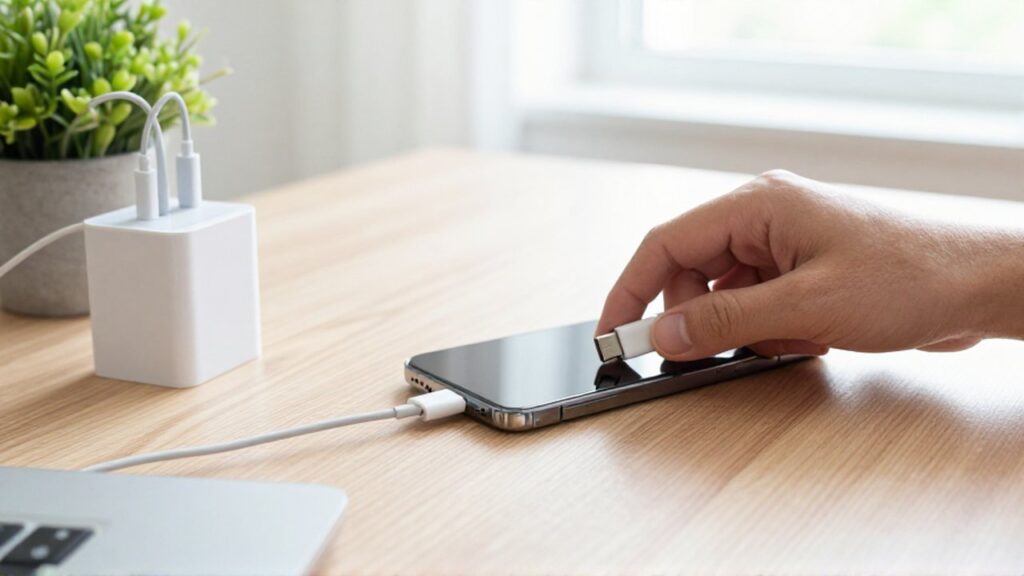
When you purchase a new smartphone or tablet, the charging accessory included in the box is often taken for granted. However, the charger is a critical component of your mobile ecosystem, acting as the bridge between your power outlet and your device's sensitive internal circuitry. Using an original charger ensures that the power delivery is specifically tuned to the requirements of your hardware, maintaining the delicate balance of voltage and current needed for safe operation.
Choosing the right power adapter is not just about convenience; it is a matter of device longevity and safety. While third-party alternatives may appear more attractive due to lower costs, they often lack the sophisticated communication protocols that modern devices use to regulate energy intake. Understanding why original equipment matters can help you avoid common pitfalls that lead to hardware degradation or even physical hazards.
Importance of voltage and current regulation
Every mobile device is designed with a specific electrical profile. Original chargers are engineered by the same manufacturers that built the device, meaning they contain integrated circuits that perform "handshakes" with your phone. This communication allows the charger to deliver the exact amount of power requested by the device's battery management system.
When you use an original charger, the device can switch between fast charging and standard charging seamlessly. If a charger provides inconsistent voltage, the device's internal regulators must work harder to stabilize the flow. This extra effort generates heat, which is the primary enemy of lithium-ion batteries. By using a charger that matches the manufacturer's specifications, you reduce the thermal stress on your battery cells, helping them retain their maximum capacity for a longer period.
Protection against electrical hazards

Safety is perhaps the most significant benefit of sticking to official accessories. Original chargers undergo rigorous testing to meet strict international safety standards. These components include built-in protections against various electrical irregularities that could otherwise cause damage.
Common safety features found in original chargers include:
- Overcharge protection: Prevents the battery from being flooded with electricity once it reaches 100% capacity.
- Short-circuit protection: Automatically cuts off power if a malfunction is detected in the cable or the device.
- Overheating prevention: Includes thermal sensors that reduce or stop power delivery if the temperature climbs too high.
- Surge protection: Shields the device from sudden spikes in voltage from the electrical grid.
Low-quality, non-original chargers often omit these protective layers to save on production costs. This makes them a potential risk for causing electrical fires, melting charging ports, or causing permanent damage to the smartphone's motherboard.
Impact on battery lifespan and performance
The long-term health of your mobile device depends heavily on how the battery is treated during charge cycles. Modern batteries are chemical components that degrade over time, but this degradation is accelerated by poor charging habits and inadequate power supplies.
Using an original charger helps maintain the chemistry of the battery. Because the power delivery is stable and predictable, the battery experiences fewer "micro-cycles" of unnecessary heating and cooling. When a charger provides unstable current, it can cause the battery to swell or lose its ability to hold a charge quickly. By investing in an original charger, you are essentially investing in the lifespan of your mobile device, delaying the need for expensive battery replacements or full device upgrades.
Comparison between original and generic chargers

To make an informed decision, it is helpful to understand the fundamental differences between official equipment and generic alternatives.
| Feature | Original Charger | Generic/Low-Quality Charger |
|---|---|---|
| Communication | Full compatibility with device software | Limited or no communication |
| Heat Management | Optimized to minimize temperature rise | Often leads to excessive heat |
| Safety Certification | Meets strict manufacturer standards | Often bypasses safety protocols |
| Consistency | Stable voltage and current delivery | Fluctuating and unpredictable power |
| Durability | High-quality materials and build | Often uses inferior components |
Common charging mistakes to avoid
Even with the best charger, certain habits can compromise your device. One frequent mistake is using a charger that is significantly underpowered for the device. While this usually won't damage the phone, it results in extremely slow charging speeds and can make the device feel sluggish if used while plugged in.
Another mistake is using damaged cables. Even if the "brick" or wall adapter is original, a frayed or poorly made cable can introduce electrical noise and instability. Always inspect your cables for bends, tears, or exposed wires. Furthermore, avoid charging your device in environments with high ambient temperatures, such as under a pillow or in direct sunlight, as this compounds the heat generated by the charging process.
Frequently asked questions
Can I use a charger from a different brand if it has the same port? If the charger is from a reputable, high-quality brand that follows standard protocols (like USB-PD), it is generally safe. However, it may not charge as efficiently as the original charger designed specifically for your device.
Why does my phone get hot when using a non-original charger? Non-original chargers often lack the sophisticated regulation required to manage heat. They may deliver current in an unstable manner, forcing the phone's battery management system to work harder, which generates excess thermal energy.
Does fast charging damage my battery? Fast charging itself does not damage the battery, provided it is managed by the device's internal software. Original chargers are designed to work in harmony with this software to ensure the heat generated remains within safe limits.
Is it worth buying an original charger if my current one is broken? Yes. While the initial cost is higher, the protection it offers to your device's battery and internal circuitry provides much better long-term value and prevents the risk of electrical accidents.
Leave a Reply