
What to do if you fall victim to a local scam
Introduction
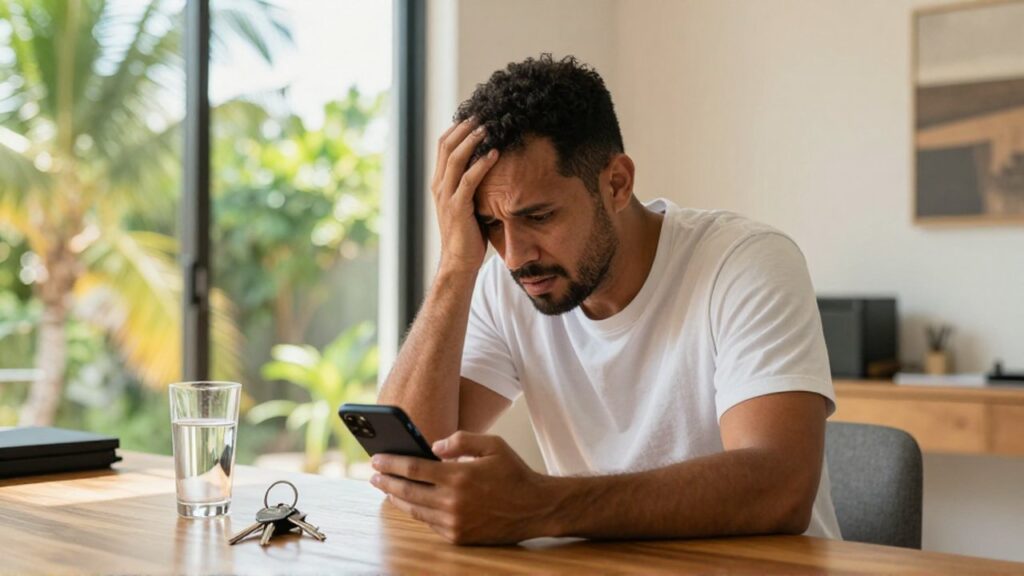
Falling victim to a local scam can be a disorienting and emotionally draining experience. Whether it involves a fraudulent sale on social media, a deceptive phone call, or a physical con artist in your neighborhood, the immediate sense of regret and panic is common. Understanding the specific steps to take immediately after discovering a scam is crucial for mitigating financial losses and protecting your personal identity from further exploitation.
The following guide is designed to help you navigate the chaotic moments following a scam. It focuses on practical, actionable steps to secure your assets, report the incident to the appropriate authorities, and prevent the scammers from using your information to target others. Taking swift, organized action significantly increases the chances of recovering funds or, at the very least, securing your digital and financial life.
Immediate actions to secure your finances
The first priority after realizing you have been scammed is to cut off the scammer's access to your resources. Speed is of the essence in these situations. If the scam involved providing credit card details or banking information, contact your financial institution immediately. Most banks have dedicated departments for fraud; notifying them allows them to freeze your cards, cancel pending transactions, and issue new account numbers.
If you transferred money via a digital wallet or a peer-to-peer payment application, contact the platform's support team right away. While many of these transactions are instantaneous and difficult to reverse, reporting the fraud immediately puts the transaction on their radar and may assist in the investigation. Document every transaction ID, timestamp, and amount, as this information will be vital for both your bank and law enforcement.
Protecting your personal identity and digital accounts

Many local scams serve as a gateway to identity theft. If you shared sensitive information such as your ID number, home address, or passwords, you must treat your digital identity as compromised. Start by changing the passwords for your most critical accounts, particularly your email and banking portals. It is highly recommended to use unique, complex passwords for every service and to enable multi-factor authentication (MFA) wherever possible.
If the scammer gained access to your computer or smartphone through a malicious link or file, you should assume the device is infected. Disconnect the device from the internet to prevent further data exfiltration and run a comprehensive security scan using reputable software. In cases where significant personal data was stolen, you may need to monitor your credit reports or notify local identity monitoring services to ensure no unauthorized accounts are opened in your name.
Documenting evidence for official reports
To facilitate a successful investigation, you must gather all available evidence. Scammers often delete messages or deactivate profiles, so capture everything as quickly as possible. This includes:
- Screenshots of conversations: Save all chats from WhatsApp, Facebook Messenger, or SMS.
- Transaction records: Keep digital or physical receipts, bank statements, and transfer confirmations.
- Contact details: Record phone numbers, email addresses, or social media profiles used by the scammer.
- Physical descriptions: If the scam occurred in person, note descriptions of individuals or vehicles involved.
Organizing this data into a single folder or document makes it much easier when you eventually present your case to the authorities or your bank's fraud department.
Reporting the incident to local authorities

Reporting a scam is not just about seeking personal justice; it is a critical step in helping law enforcement identify patterns and prevent others in your community from falling victim to the same scheme. You should file a formal report with your local police department. Even if the amount stolen seems small, these reports help authorities build a larger case against organized criminal groups.
In many regions, there are also specialized cybercrime units or consumer protection agencies that handle digital and commercial fraud. Check if your local government provides an online portal for reporting scams. Once you have filed a report, ensure you obtain a case number or a copy of the official document, as your bank or insurance company may require this proof to process fraud claims.
Common mistakes to avoid during a scam recovery
One of the most frequent errors victims make is waiting too long to act due to embarrassment or denial. The longer you wait, the harder it becomes to reverse transactions or trace digital footprints. Another significant risk is falling victim to a "recovery scam." This occurs when scammers, or even other criminals, contact you claiming they can recover your lost money for an upfront fee. Genuine law enforcement and bank officials will never ask for a fee to investigate a crime or return stolen funds.
Finally, avoid attempting to confront the scammer yourself. Engaging in arguments or threats can sometimes provoke them to release more sensitive information or escalate their tactics. Remain calm, stick to the documented facts, and let professional investigators and financial institutions handle the direct confrontation.
Frequently asked questions
Can I get my money back if I paid via a bank transfer? It is difficult but not impossible. You must contact your bank immediately to request a "recall" of the funds. Success depends on whether the recipient's bank can freeze the funds before they are withdrawn.
What should I do if the scammer has my photo or ID? You should increase your digital vigilance. Notify your bank, monitor your social media privacy settings, and consider reporting the theft of your identity documents to the police, as this helps protect you if the ID is used for fraudulent activities later.
Is it worth reporting a small amount of money? Yes. Small-scale scams are often part of larger operations. Reporting them provides law enforcement with the necessary data to track the scale of the criminal activity and helps protect the wider community.
Leave a Reply