
Difference between tempered glass and plastic screen protectors

Introduction
When you invest in a new smartphone or tablet, protecting the display becomes a primary concern. Screen protectors serve as the first line of defense against the daily hazards of mobile life, such as scratches from keys, accidental drops, and dust accumulation. Choosing the right material is essential to ensure that your device remains functional and aesthetically pleasing for as long as possible.
The two most common options available in the market are tempered glass and plastic screen protectors. While both aim to safeguard your screen, they utilize different materials and technologies to achieve this goal. Understanding their specific characteristics is crucial for deciding which one fits your usage habits, budget, and device type.
Characteristics of tempered glass screen protectors
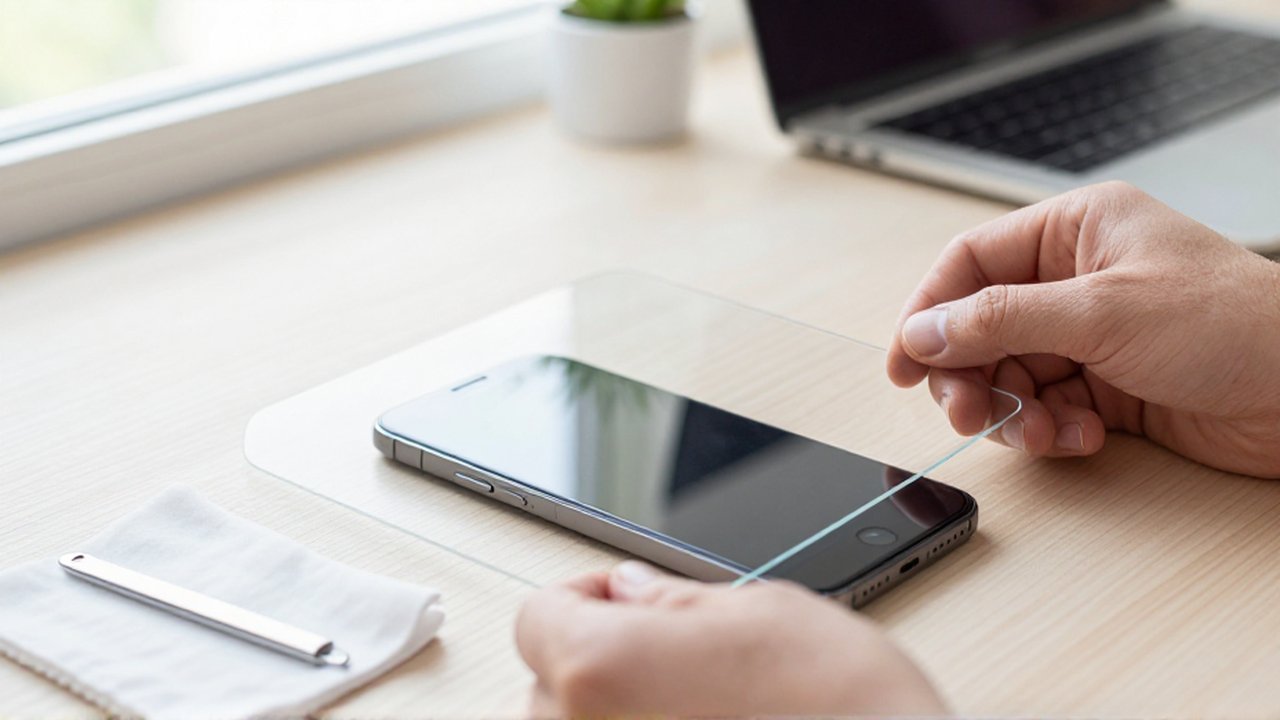
Tempered glass is a chemically or thermally treated glass that is significantly stronger than standard glass. It is designed to mimic the feel and clarity of your device's original screen while providing an extra layer of rigid protection. Because it is made of glass, it offers a high level of transparency, ensuring that colors and brightness remain consistent with the native display.
One of the most significant benefits of tempered glass is its impact resistance. When a device falls, the tempered glass is designed to absorb the energy of the impact and crack instead of the actual phone screen. This sacrificial layer takes the brunt of the force, often making it easier and cheaper to replace a protector than a shattered display. Additionally, most tempered glass protectors come with an oleophobic coating, which helps repel fingerprints and oily smudges, keeping the touch interface clean.
However, tempered glass is thicker than plastic alternatives. While this adds protection, it might slightly alter the touch sensitivity on some budget devices. It is also more prone to chipping at the edges if subjected to repeated minor bumps, and once it cracks, the entire protector must be replaced to maintain both aesthetics and protection.
Characteristics of plastic screen protectors
Plastic screen protectors, often made from PET (Polyethylene Terephthalate) or TPU (Thermoplastic Polyurethane), are much thinner and more flexible than glass. These protectors are lightweight and adhere very closely to the curves of a device, making them a popular choice for smartphones with edge-to-edge or curved displays where glass might struggle to fit perfectly.
The primary advantage of plastic is its resilience against scratches and its ease of application. TPU versions, in particular, are "self-healing," meaning that very fine micro-scratches can often disappear over time due to the material's elasticity. They are also much harder to break during installation or daily use, as they do not shatter like glass. Because they are so thin, they are virtually unnoticeable, preserving the original tactile feel of the screen.
The main drawback of plastic is that it offers significantly less protection against high-impact drops. While it can prevent fine scratches from sand or keys, it is unlikely to stop a heavy impact from transferring directly to the underlying display. Furthermore, plastic tends to show fingerprints more easily and can lose its clarity or become cloudy over extended periods of use.
Comparison between glass and plastic materials
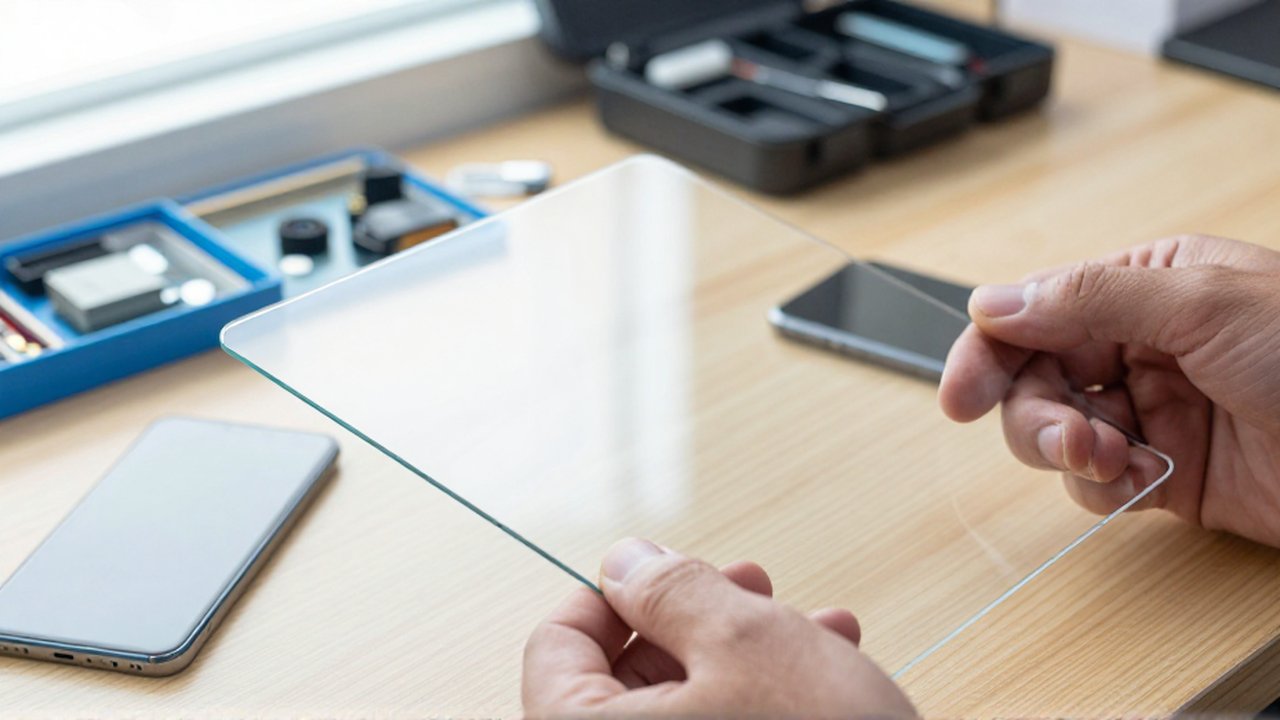
To make an informed decision, it is helpful to compare these two materials across several key performance categories.
| Feature | Tempered Glass | Plastic (PET/TPU) |
|---|---|---|
| Impact Protection | High (absorbs shock) | Low (prevents scratches) |
| Scratch Resistance | Very High | Moderate |
| Clarity and Feel | Excellent (feels like original) | Good (may feel "rubbery") |
| Thickness | Thicker | Very Thin |
| Durability | Can crack/shatter | Flexible/Resilient |
| Fingerprint Resistance | High (with coating) | Moderate to Low |
Criteria for choosing the best protector
Choosing between these two options depends on your specific priorities and how you use your device. If your main goal is maximum protection against drops and accidental impacts, tempered glass is the superior choice. This is especially true for users who work in construction, travel frequently, or are prone to dropping their devices.
If you prioritize a seamless look, prefer a protector that is nearly invisible, or own a device with a highly curved screen, a high-quality TPU plastic protector might be better. These are also ideal for users who want a low-profile solution that does not change the weight or thickness of the phone significantly.
Consider your environment and lifestyle. In dusty or outdoor settings, the rigidity of glass offers a more robust barrier. In professional or office settings where device aesthetics are paramount and the risk of drops is low, a thin plastic film may suffice.
Frequently asked questions
Can a plastic protector prevent a screen from cracking during a fall? Generally, no. Plastic protectors are excellent at preventing scratches and minor abrasions, but they lack the structural rigidity required to absorb high-velocity impacts. For drop protection, tempered glass is much more effective.
Do tempered glass protectors interfere with fingerprint sensors? On many modern devices with in-display ultrasonic fingerprint sensors, a very thick tempered glass protector may occasionally reduce sensitivity. It is important to check if the protector is specifically designed for your model to ensure compatibility.
Which material is easier to install without bubbles? Plastic protectors, especially TPU films, are often easier to apply to curved screens, but they can be more difficult to align perfectly. Tempered glass is easier to align due to its rigidity, but it requires a very clean surface to prevent air bubbles from being trapped underneath.
Is it possible to use both a glass protector and a case? Yes, most tempered glass protectors are designed to be "case-friendly," meaning they are slightly smaller than the screen to prevent the edges of a protective case from lifting the glass. However, always verify this compatibility when purchasing.
Leave a Reply