
How to choose the best power bank for Dominican Republic travel
Introduction
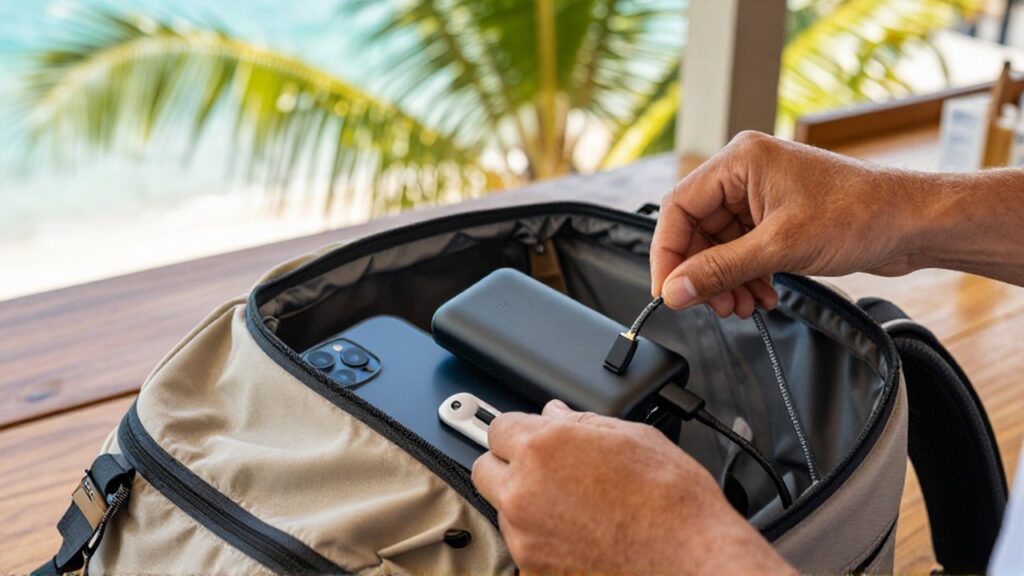
Traveling through the Dominican Republic often means navigating a mix of bustling urban centers, remote tropical beaches, and long transit routes between provinces. During these adventures, your smartphone, camera, or GPS device becomes your most vital tool for navigation, communication, and capturing memories. However, relying solely on local wall outlets can be problematic, especially when exploring coastal areas or spending extended periods in transit where power access is inconsistent.
A high-quality power bank serves as a portable energy reservoir, ensuring your essential technology remains functional throughout the day. Choosing the right one is not just about finding the largest capacity, but about balancing weight, charging speed, and durability. Selecting a device that meets the specific environmental and technical demands of a tropical getaway will prevent the frustration of a dead battery during a critical moment.
Essential capacity and battery life requirements
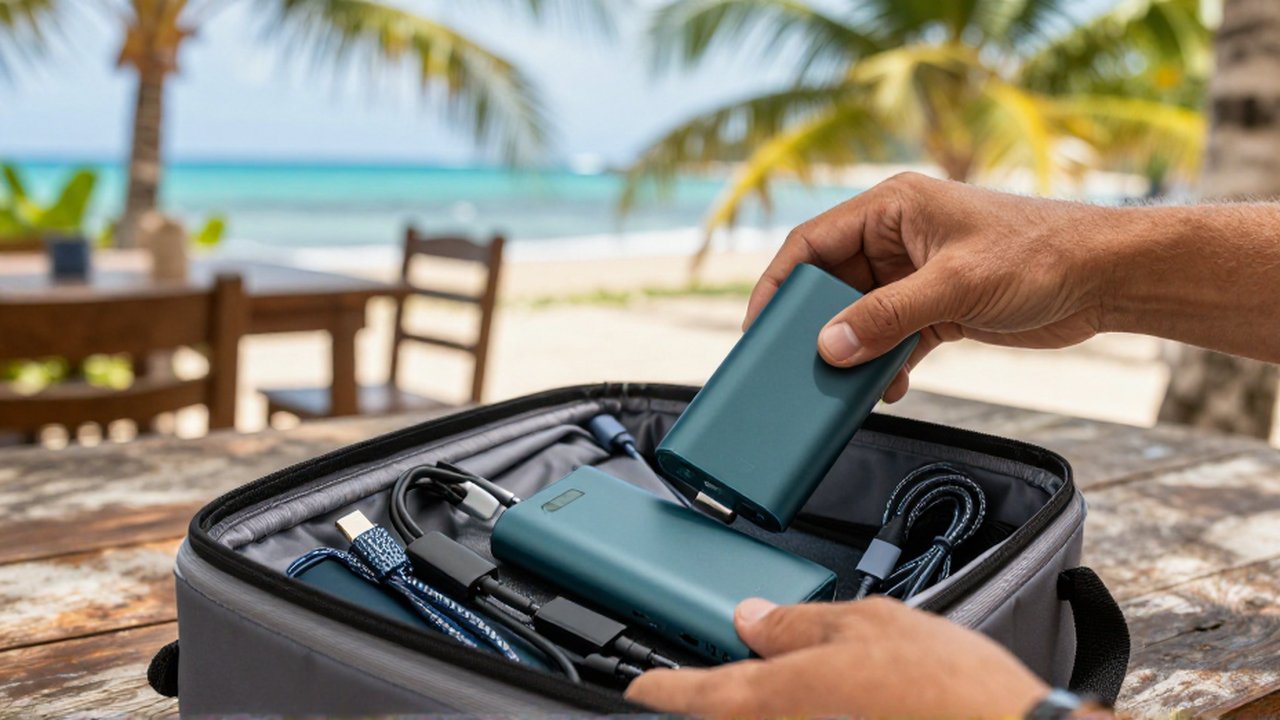
The most important specification to consider is the capacity, measured in milliampere-hours (mAh). This number determines how many times you can recharge your devices before the power bank itself needs a refill. For a typical traveler in the Dominican Republic, the choice depends on the length of your excursions.
If you are a day tripper moving between Santo Domingo and Samaná, a compact power bank with 5,000 mAh to 10,000 mAh is usually sufficient. These are lightweight and fit easily in a pocket or small crossbody bag. However, if you are trekking through remote areas or planning multi-day excursions where electricity access is uncertain, you should look for a capacity of 20,000 mAh or higher. This will provide multiple full charges for a smartphone or several partial charges for a tablet.
Keep in mind that capacity involves a trade-off with portability. A 20,000 mAh unit is significantly heavier and bulkier than a 5,000 mAh model. Always weigh the necessity of extra power against the physical comfort of carrying it in your backpack during humid, warm weather.
Charging speed and port compatibility
It is not enough to have power; you need that power to be delivered efficiently. Modern smartphones use fast-charging protocols that can significantly reduce the time your device spends tethered to a battery. Look for power banks that support Power Delivery (PD) or Quick Charge (QC) technologies. This is particularly useful when you only have a short window of time to top up your phone before heading out to a beach or a tour.
Pay close attention to the types of ports available on the device. A versatile power bank should include:
| Port Type | Primary Use | Benefit |
|---|---|---|
| USB-C | Modern smartphones and laptops | High-speed bidirectional charging |
| USB-A | Older accessories and cables | Wide compatibility with legacy devices |
| Micro-USB | Older electronics | Essential for specific older gadgets |
If you plan to charge multiple devices simultaneously, such as a phone and wireless earbuds, ensure the power bank has enough output to handle both without a massive drop in performance.
Durability and environmental considerations
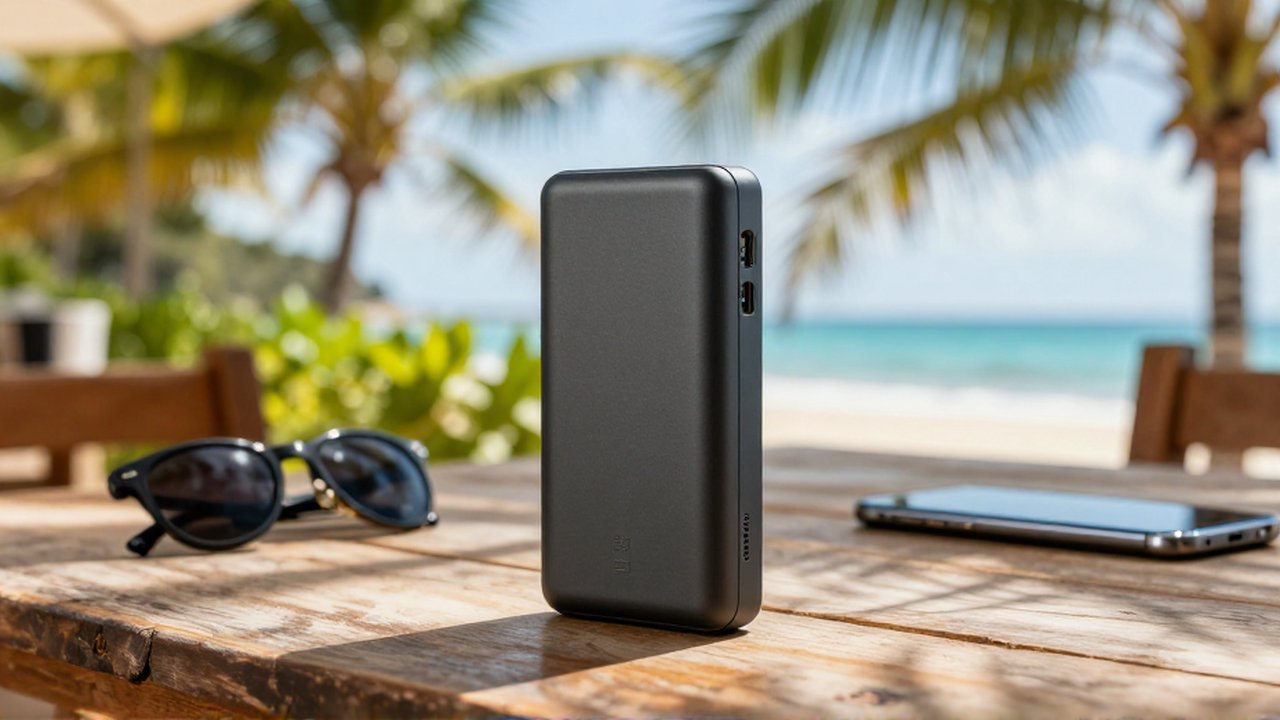
The Dominican Republic is a tropical environment characterized by high humidity, intense sunlight, and occasional heavy rainfall. These conditions can be harsh on electronic components. While a fully waterproof power bank may be overkill for some, looking for a device with a robust build quality is highly recommended.
A power bank with a reinforced outer shell can better withstand the bumps and drops that occur during travel. Furthermore, avoid leaving your power bank in direct sunlight, such as on a beach towel or near a window in a rental car. Excessive heat can degrade the lithium-ion cells inside the battery, reducing its total lifespan and efficiency. Choosing a device with thermal protection features can add an extra layer of safety in these warm climates.
Airline regulations for lithium batteries
If your travel involves domestic or international flights, you must adhere to strict aviation safety rules regarding lithium-ion batteries. Almost all airlines prohibit carrying large-capacity power banks in checked luggage due to the risk of fire. To avoid having your device confiscated at airport security, always carry your power bank in your carry-on luggage.
Most airlines follow international standards that limit the capacity of lithium batteries allowed on aircraft. Generally, power banks under 100 Wh (Watt-hours) are permitted without special permission. For most consumers, this equates to roughly 27,000 mAh. If you choose an extremely high-capacity model for camping, verify the Watt-hour rating printed on the device to ensure it complies with your airline's specific policies.
Frequently asked questions
How long does it take to recharge a power bank? Recharge time depends on the capacity of the power bank and the power output of the wall adapter you use. Using a high-wattage wall charger with a USB-C port will significantly decrease the time compared to using a standard low-power USB adapter.
Can I use my power bank in the rain? Unless the power bank is specifically rated with an IP (Ingress Protection) rating for water resistance, you should keep it dry. Humidity alone can sometimes affect ports, so it is best to keep it in a waterproof compartment of your bag.
Will a high capacity power bank charge my laptop? Not all power banks can charge a laptop. To charge a laptop, the power bank must have a high enough wattage output (usually via USB-C PD) and a sufficient voltage to satisfy the laptop's requirements. Check the "Output" specifications before purchasing.
Is it safe to leave a power bank in a hot car? No. High temperatures can damage the battery cells and, in extreme cases, pose a safety risk. Always store your electronics in a cool, shaded area.
Leave a Reply