Which fiber optic internet providers operate in Santo Domingo
Introduction
Finding a reliable high-speed internet connection is essential for residents and businesses in Santo Domingo, whether for remote work, online education, or streaming entertainment. Fiber optic technology has revolutionized how the capital connects to the world, offering much higher speeds and greater stability compared to traditional copper-based services. As the demand for bandwidth increases, understanding the landscape of available providers becomes a critical step for anyone looking to upgrade their digital infrastructure.
Deciding on a provider in the Dominican capital requires more than just looking at advertised speeds. You must consider geographical availability, service stability, and the specific technology used by each company. Because Santo Domingo is characterized by diverse neighborhoods, ranging from dense urban centers to suburban residential areas, the coverage of fiber optic networks varies significantly depending on your exact location.
Main fiber optic providers in the capital
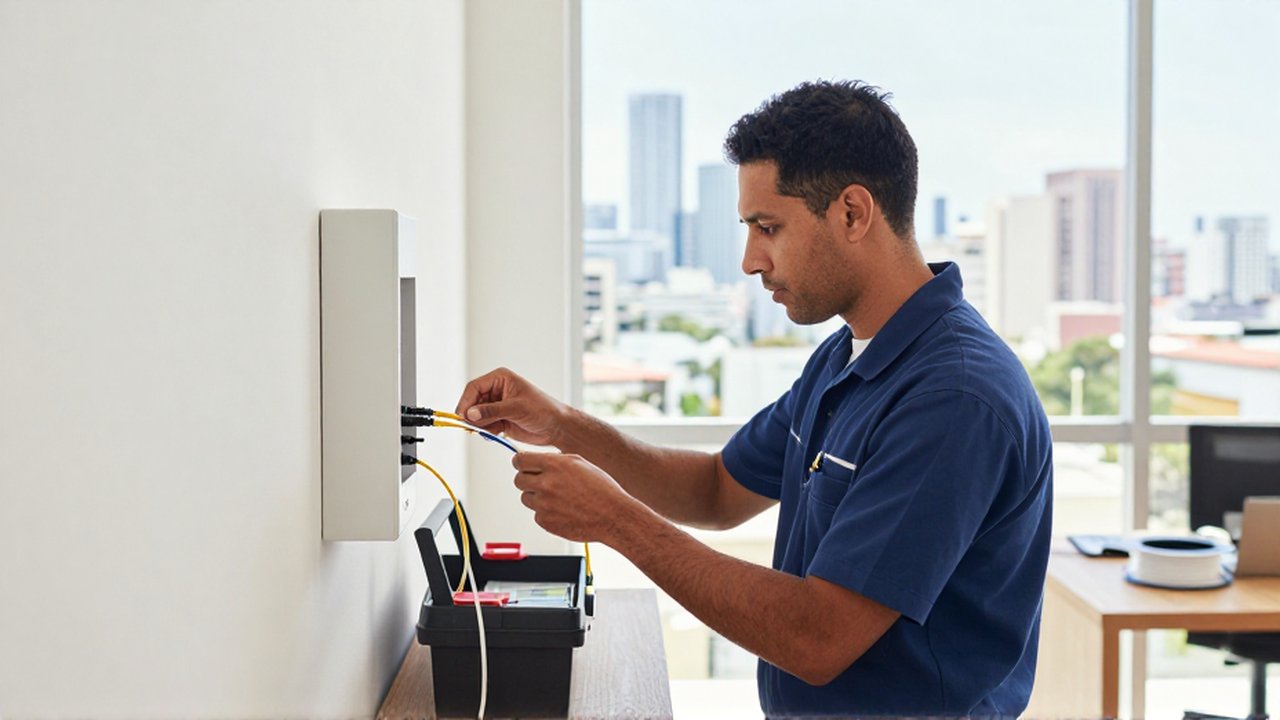
The telecommunications market in Santo Domingo is dominated by a few major players that have invested heavily in fiber-to-the-home (FTTH) infrastructure. These companies provide the backbone for most residential and commercial connectivity in the city.
Claro is one of the most widespread providers in the country. They possess a massive infrastructure that covers a significant portion of Santo Domingo, including many residential sectors and business districts. Their fiber optic service is known for high availability, making it a standard choice for many households.
Altice serves as another primary competitor with a robust presence in the capital. They offer various fiber optic plans designed for different user profiles, from individual users to large enterprises. Their network is widely integrated into the urban fiber landscape of Santo Domingo.
Liberty जरूरत (formerly known as various local brands/entities) and other specialized providers have also entered the fray, specifically targeting certain high-demand zones. While the major telcos hold the most territory, smaller or more specialized providers often compete on service quality or specific niche offerings in certain neighborhoods.
Key factors for choosing a provider
Selecting the right internet service involves more than simply picking the fastest plan. To ensure a productive experience, you should evaluate several technical and practical criteria.
- Coverage and Availability: Not every neighborhood in Santo Domingo has access to fiber optics. Before committing, you must verify if the specific street or building is within a provider's fiber deployment zone.
- Symmetry of Speed: In fiber optic technology, it is important to check if the upload speed matches the download speed. This is crucial for video calls, uploading large files to the cloud, and online gaming.
- Service Reliability: Look for information regarding local uptime. A provider might offer high speeds but suffer from frequent outages due to maintenance or infrastructure issues in certain areas.
- Customer Support: Internet connectivity is a vital utility. Knowing whether a provider offers localized technical support or has a quick response time for repairs can save significant frustration.
Benefits of fiber optic technology over traditional methods
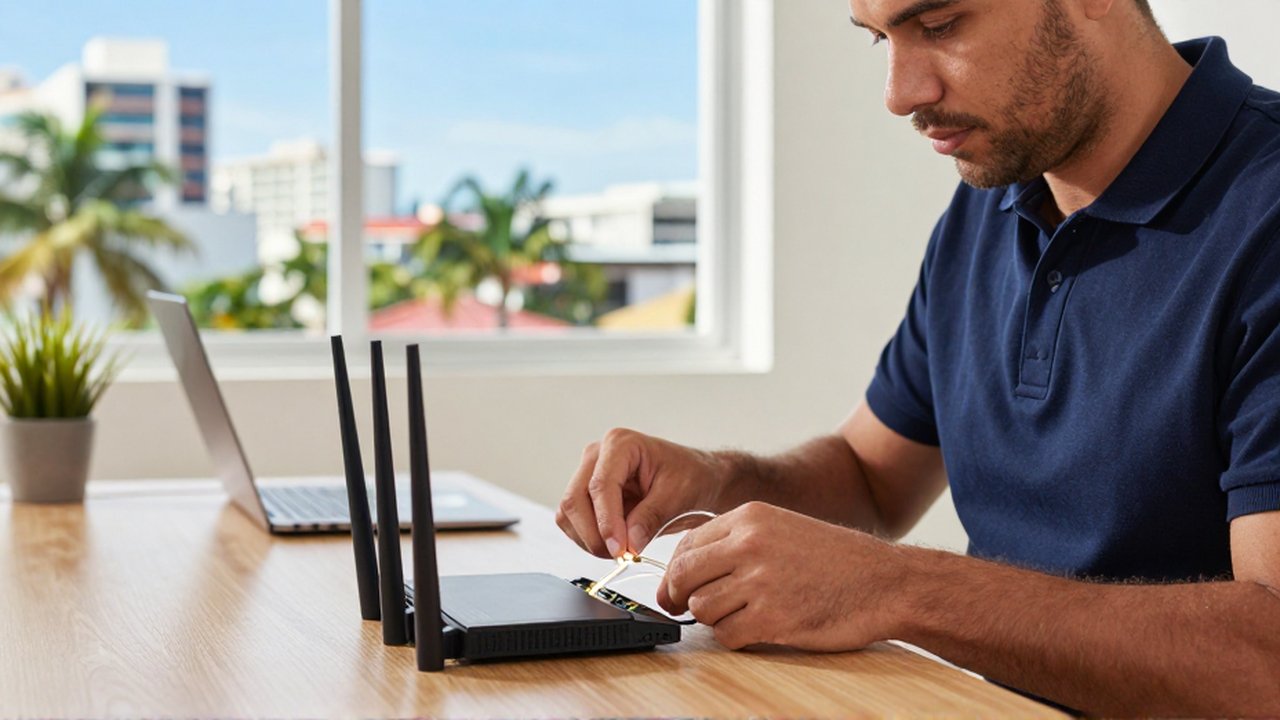
Switching from cable or DSL to fiber optic internet offers several measurable advantages for the modern user in Santo Domingo.
The most immediate benefit is bandwidth capacity. Fiber optic cables use light to transmit data, allowing for much higher data rates than electricity moving through copper wires. This means multiple devices can stream, download, and work simultaneously without causing a bottleneck in the connection.
Another advantage is lower latency. Latency, or "ping," is the delay between sending a command and receiving a response. For students attending virtual classes or professionals using real-time collaboration tools, low latency ensures that communication is fluid and instantaneous, minimizing the lag that often plagues older technologies.
Finally, fiber optic connections are more resilient to environmental interference. Unlike copper wires, which can be affected by electromagnetic interference or weather conditions, light signals in fiber cables are much more stable, leading to a more consistent connection throughout the day.
Common mistakes when selecting internet service
Many users make errors during the installation and selection process that lead to suboptimal performance. One frequent mistake is choosing a plan based solely on the "maximum speed" advertised without considering the actual throughput available at your specific location.
Another error is neglecting the quality of the router. Even if you pay for a high-speed fiber plan, using an outdated or low-quality Wi-Fi router will prevent that speed from reaching your devices in other rooms. For the best results, ensure your hardware is compatible with the speeds provided by your ISP.
Lastly, users often fail to read the fine print regarding data caps or fair usage policies. While many fiber plans are marketed as "unlimited," some providers may implement speed throttling after a certain amount of monthly data consumption. Always confirm the terms of your contract to avoid unexpected slowdowns.
Frequently asked questions
Is fiber optic available in all sectors of Santo Domingo? No, coverage varies by neighborhood. While much of the city is covered, some specific residential or peripheral areas may still rely on cable or wireless technologies. Always request a coverage check for your specific address.
Does fiber optic internet work during power outages? While the fiber signal itself is very stable, your router and the local provider's equipment require electricity. If there is a widespread power outage, you will need a UPS (Uninterruptible Power Supply) to keep your internet running.
Can I use fiber optic for gaming and professional video calls? Yes, fiber optic is the ideal technology for these activities due to its high speeds and low latency, providing a much smoother experience than traditional connections.
What is the difference between fiber optic and cable internet? Fiber optic uses light through glass strands to transmit data, offering higher speeds and better stability. Cable internet uses coaxial copper cables, which are more susceptible to interference and generally have lower upload speeds.
Leave a Reply